Contact Us
Thank you! Your submission has been received!
Oops! Something went wrong while submitting the form.
.svg)
From design to installation
Courts built to last
Custom courts for any sport

Curious about the cost of building your dream court? Whether you're planning a tennis, basketball, or pickleball court, our easy-to-use cost calculator provides quick and accurate estimates based on your specific needs. Simply select your sport, input your dimensions, and discover the investment for a premium, durable playing surface designed by Pine State Asphalt. Let's make your next game-winning court a reality!
calculateAt Pine State Courts, our commitment goes beyond crafting high-performance sports surfaces — we’re passionate about sharing knowledge to help you build, maintain, and optimize your athletic spaces.
Whether you're a facility manager, coach, homeowner, or sports enthusiast, our blog provides valuable guidance to elevate your game, maintain safety & longevity, and stay on top of the latest trends in athletic court innovation.
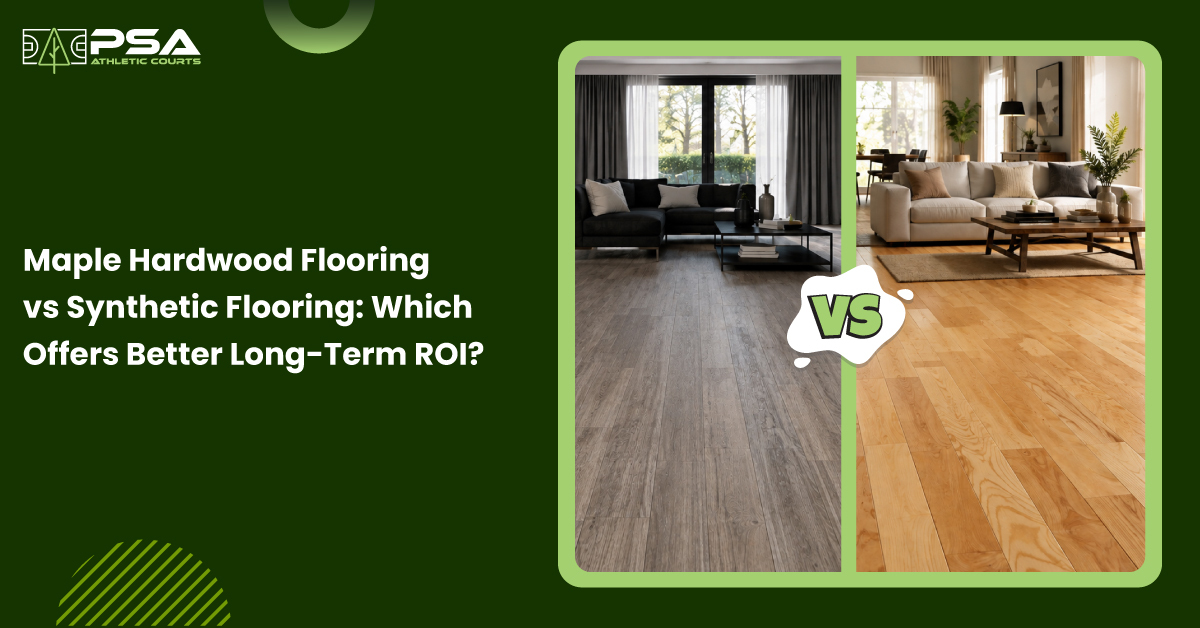
Maple hardwood flooring and synthetic sports flooring each offer unique benefits for long-term value. This blog compares their durability, maintenance, performance, installation costs, and lifespan to help schools and sports facilities choose the flooring option that delivers the best return on investment.
Read more
Learn the seven warning signs that your maple hardwood gymnasium floor needs refinishing. Discover how timely maintenance improves safety, restores appearance, extends floor life, and protects your sports facility investment.
Read more
Discover the key benefits of indoor padel courts for commercial sports facilities. From year-round play and lower maintenance to increased revenue and enhanced player experience, indoor courts offer a smart, long-term investment for sports clubs, schools, gyms, and recreational centers.
Read more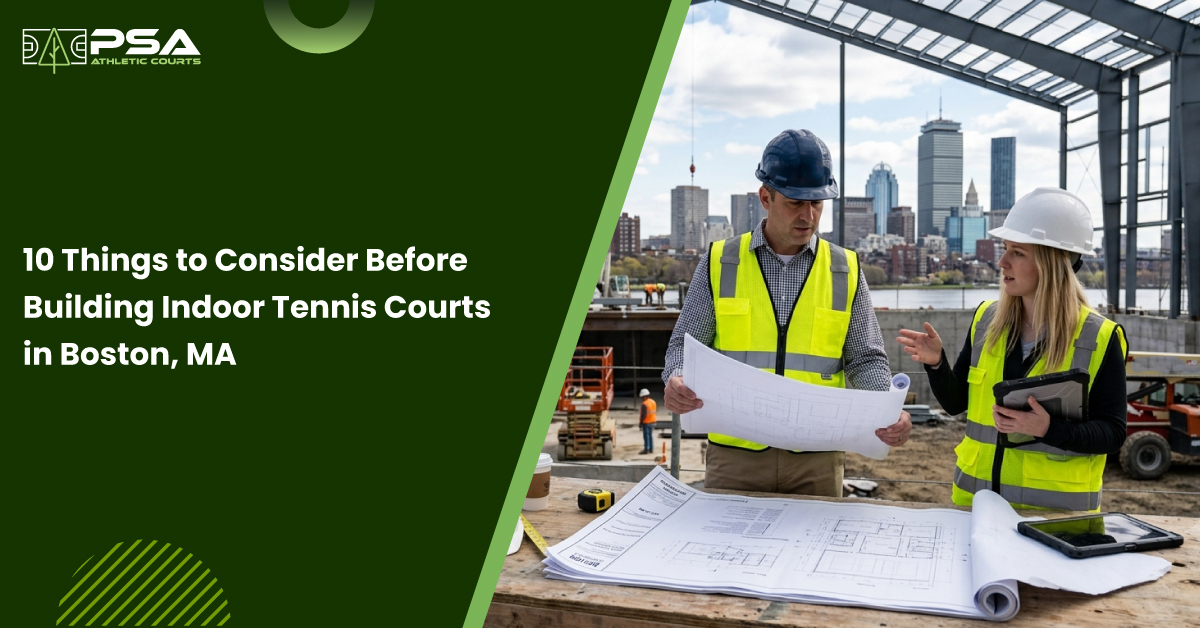
Planning to build indoor tennis courts in Boston, MA? Learn the 10 essential factors to consider, including court size, flooring, lighting, ventilation, insulation, budget, and maintenance. Proper planning ensures a durable, high-performance facility that delivers an excellent playing experience year-round.
Read more
An indoor athletic court lets Maine homeowners and facility owners play year-round, free from the state's harsh freeze-thaw cycles and unpredictable weather. Pine State Asphalt covers everything you need to know, from engineering a flat, moisture-resistant concrete slab to choosing between maple hardwood and cushioned acrylic surfaces. With the right planning for ceiling height, safety runouts, lighting, and climate control, your indoor space can match the quality of a professional facility.
Read more
Find the best indoor basketball court flooring for schools, gyms, and homes. Compare popular flooring materials, key features, maintenance needs, and performance benefits before making your investment.
Read more
How big is a tennis court? A standard court measures 78 feet long and 36 feet wide for doubles. With run-off space included, the total area is larger. Use this guide to calculate accurate space requirements for your tennis court project.
Read more
Plan pickleball courts for parks and sports facilities with proper dimensions, durable surfaces, safety spacing, drainage, lighting, fencing, accessibility, and long-term maintenance to ensure performance, safety, and community use.
Read more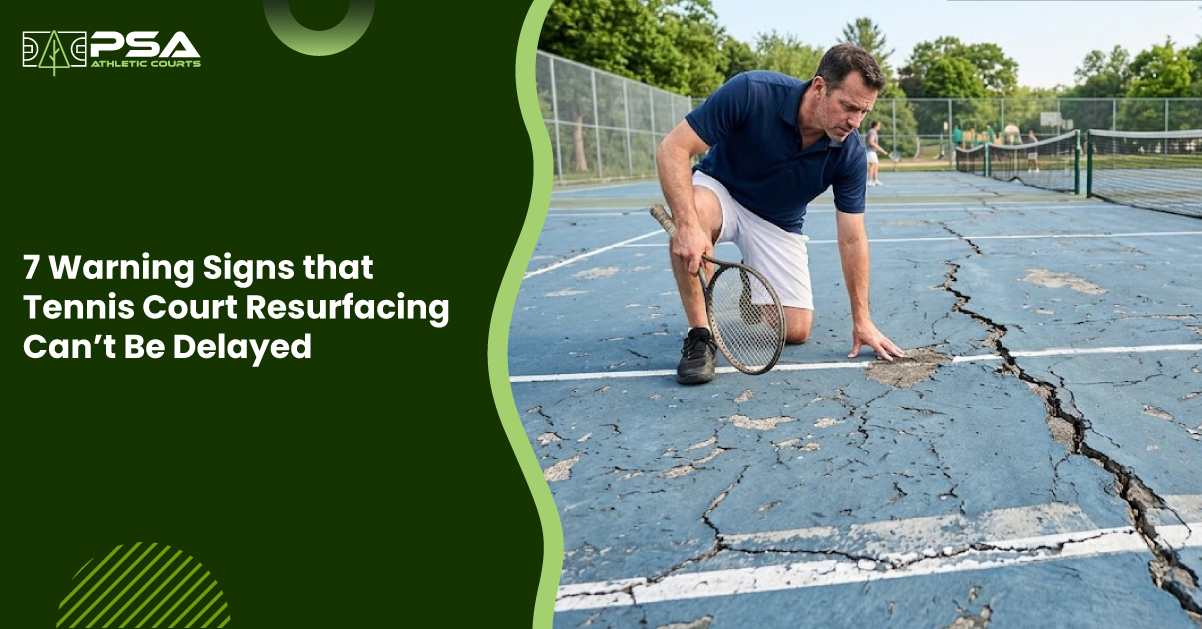
Cracks, fading, poor drainage, and uneven surfaces are clear signs your tennis court needs immediate resurfacing. Ignoring these issues can lead to safety risks, higher repair costs, and poor playability. Identifying early warning signs helps extend court life, maintain performance, and protect your investment before damage becomes severe and costly.
Read more.jpg)
Wondering if your yard is big enough for a basketball court? This guide covers backyard basketball court size recommendations, from compact shooting areas to half-court setups. Learn how to plan a court that fits your residential space while maintaining proper playing dimensions and safety clearances.
Read more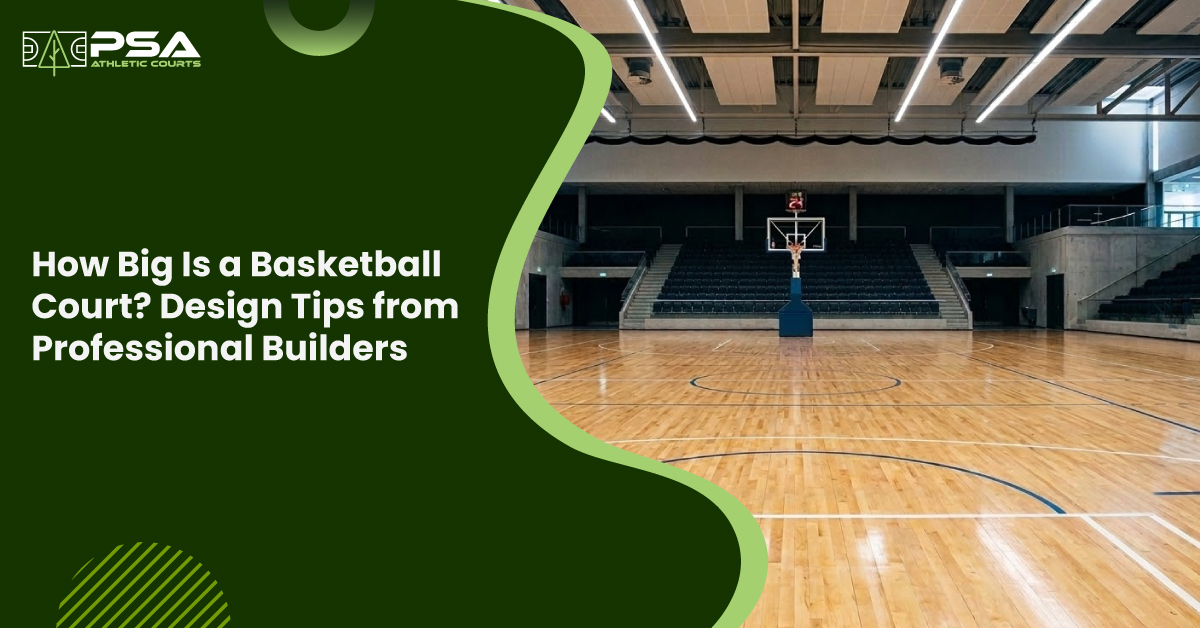
This guide explains standard basketball court sizes, including NBA, high school, half-court, and backyard courts. It also highlights key design factors such as runoff space, drainage, property size, and intended use. Pine State Courts shares professional tips to help homeowners, schools, and communities build safe, functional, and future-ready basketball courts.
Read more
Athletic directors face significant challenges funding court construction projects ranging from $850,000 to $1.3 million. This comprehensive guide explores traditional funding sources like USTA grants and municipal capital funds alongside modern solutions including SNAP Mobile fundraising and Hearth financing. Learn how to build a strategic funding package that combines multiple sources to make your court construction project financially feasible.
Read more
Hear from our many satisfied customers whose dream courts we've brought to life.



Hours of Operation
Mon - Fri: 7:00 am - 5:00 pm
Sat - Sun: Closed




© Copyright 2026 Pine State Asphalt