

Building an indoor basketball court isn’t simply about meeting the size specifications and installing sturdy hoops, the flooring you choose has a huge role to play too. The court surface affects everything from ball bounce and traction to preventing players from injury, and the overall lifespan of your facility.
And with so many flooring systems available today, it's easy to feel overwhelmed no matter if you are planning to build a basketball court indoor in your school, gym, and home. But don’t worry!
This guide by Pine State Courts will dive into the details of how you can select the best indoor basketball court flooring. We’ll compare seven flooring options, discuss their benefits, and explain the key factors that you must consider before investing in a new court.
What is the best indoor basketball court flooring?
There’s a lot of different flooring options today but a basketball court surface that has been popular since James Naismith first invented basketball is the hardwood floor. Hardwood maple flooring is considered the best indoor basketball court flooring as it offers a consistent ball bounce, excellent traction, and long-term durability.
But this doesn’t mean that hardwood is the best surface for every basketball court project. Schools, recreation centers, fitness facilities, and residential courts may also benefit from other flooring solutions like synthetic sports flooring made of vinyl and polyurethane or even cushioned athletic flooring.
We’ll discuss these flooring options in the later sections but first let’s understand why this choice matters so much.
How the Right Indoor Basketball Court Flooring Impacts Performance, Safety & Maintenance
A basketball court is not just a playing surface but a place for athletes to hone their gameplay and communities to bond. And the flooring you choose will determine how well the athletes will perform, how soon the surface will wear, and your courts’ maintenance needs. It also impacts the reputation of your facility.
Choosing a good quality sports flooring ensures:
- Consistent ball bounce for predictable gameplay.
- Reliable traction without becoming overly slippery.
- Shock absorption that reduces stress on players’ joints.
- Durability to withstand heavy foot traffic.
- Reduced cleaning and maintenance costs over time.
Check out our 101 guide on basketball court dimensions to know the exact court size before you begin your project.
5 Best Indoor Basketball Court Flooring Options for Schools, Gyms & Homes
Let’s now discuss what options you have when it comes to choosing the flooring for your basketball court indoors. We’ll also discuss how each surface performs for schools, gyms, and residential spaces.
1. Maple hardwood gymnasium floors
Hardwood maple has always been the first choice for professional and college basketball courts. Its dense grain creates a smooth, durable surface that provides exceptional ball bounce, traction, and player comfort.
It is a great flooring choice for professional courts, school, universities, and dedicated basketball facilities.
Pros:
- Superior court performance
- Long lifespan with proper care
- Classic appearance of professional courts
- Excellent resale value
With its many benefits as a premium flooring option, hardwood comes with a higher upfront cost, routine refinishing requirements, and a sensitivity to humidity and moisture.
2. Vinyl Sports Flooring
Vinyl sports flooring is a practical flooring option for multi-athletic indoor facilities that host other sports and community events along with basketball. It is a resilient surface with good traction and is easy to clean too.
This kind of flooring is best for building indoor courts in schools, multi-purpose gyms, and community centers.
Pros:
- Budget friendly surface
- Easy maintenance
- Comfortable surface
- Good durability
You must however know that this basketball court is not ideal for elite-level competition and may wear faster under extreme heavy use.
3. Cushioned Athletic Flooring Systems
Cushioned athletic flooring systems include a shock-absorbing layer under the finished floor. This helps to absorb shock, provide consistent support, and comfort for athletes. This indoor flooring system is a popular choice for school gymnasiums, recreation centers, fitness facilities, and community sports complexes.
Pros:
- Enhances shock absorption
- Provides comfort and reduces athlete fatigue
- Great for multi-sport use
This indoor flooring however requires higher upfront investment than some standard flooring options but has great durability for high-traffic facilities.
Get expert insights on the right size for a backyard basketball court for your next basketball court project.
4. Pad-and-Pour Polyurethane Systems
Poured polyurethane flooring creates a seamless surface that is durable, has excellent shock absorption and is resilient too. It offers a uniform ball bounce that meets the official standards.
This surface system is frequently used in educational and institutional settings like schools, universities, and even multi-sport facilities as it performs well across multiple sports.
Pros:
- Seamless finish
- Excellent durability
- Comfortable for athletes
- Easy cleaning
Polyurethane doesn’t support DIY installation and requires professional expertise to install. It also has a higher installation cost than some other alternatives.
5. Rubber Flooring
Rubber flooring is generally made from recycled vulcanized rubber. It works best for spaces where impact absorption and slip-resistance is a priority like training areas, fitness facilities, and recreational spaces.
While it isn't usually selected for regulation basketball courts, it works well for practice courts and recreational play.
Pros:
- Excellent shock absorption
- Slip resistant
- Quiet underfoot
- Highly durable
Before choosing this surface, you must consider that it offers less consistent ball bounce than hardwood and has limited professional appearance.
Discover the right maintenance routine and the right time to resurface your basketball court in our detailed resurfacing guide.
Indoor Basketball Flooring Comparison Table

Indoor Basketball Court Flooring Installation Checklist: What to Know Before You Build
When it comes to installing an indoor basketball court,there’s a lot of factors that you must consider. Every decision from site preparation to laying down the base and the indoor flooring has an important role to play in the performance and durability of your court.
That’s why it’s important that you work with an experienced basketball court designer to ensure you make the most of your investment and the court performs well for years to come.
Here’s a little checklist from the court builders at Pine State Courts. Before installing your basketball court flooring indoors, you must consider these factors:
- Evaluate the condition of your building's subfloor.
- Perform moisture testing and install moisture barriers.
- Select the flooring for your indoor basketball court depending on whether you’ll use it for professional play or recreation.
- Ensure that the court has proper lighting and ventilation inside.
- The flooring system you choose should meet the safety standards.
- Select experienced basketball court builders who are familiar with athletic flooring systems.
- Include line striping, equipment placement, and expansion requirements white designing the court.
Proper planning is essential as it helps to prevent costly repairs and ensures that your finished court performs as intended.
Indoor Basketball Court Flooring Care and Maintenance Guide
It isn’t just the quality of your basketball court construction that matters but how you care for it is important too. Even with the highest-quality of flooring, regular care is necessary to maintain your court’s appearance and performance.
A simple maintenance routine that you can follow for your indoor basketball court flooring is:
- Sweep or dust mop the court daily to remove any dirt and debris accumulated on it.
- Clean spills immediately to prevent the floor from staining or moisture damage.
- Use only the manufacturer-approved cleaning products.
- Inspect the court surface regularly for any signs of wear.
- Refinish hardwood courts periodically as its finish begins to wear.
- Avoid dragging heavy equipment across the playing surface.
- Maintain consistent indoor temperature and humidity for wood flooring.
This periodic maintenance will not only extend your court’s lifespan but will also help to ensure player safety.
How Much Does Indoor Basketball Court Flooring Cost?
The total cost of flooring for your indoor basketball court depends on several factors like the quality of flooring material, court size, subfloor preparation required, and the finishing requirements.
It is generally seen that:
- Hardwood maple is a premium option with the highest installation cost but it also lasts for over 50 years if it is maintained properly.
- Synthetic and poured polyurethane systems offer a great balance between performance and their maintenance costs.
- Vinyl flooring is a more budget-friendly option for building courts in schools, recreation facilities, and homes.
- Rubber flooring can be a good choice for training and fitness areas.
- Cushioned athletic flooring involves a higher initial investment but it offers great durability for high-traffic facilities like school gymnasiums and community centers.
While the upfront cost of installing a court is important, it's equally valuable to consider the long-term costs. You should factor in the cost for maintenance, repair, and the expected lifespan of the flooring you are choosing.
Experience Quality Indoor Basketball Court Flooring with Pine State Courts
For constructing a high-quality basketball court, the builders you choose to work with have a major role to play.
At Pine State Courts, we have designed and installed indoor athletic floors for schools, recreation centers, municipalities, sports facilities, and residential clients throughout New England.
We pay attention to every small detail from selecting the right flooring material to ensuring proper installation and long-term performance of your court. We build professional courts that are durable, perform well, and are safe to play on.
Conclusion
Building an indoor basketball court isn’t just a significant investment in terms of finances but the flooring you choose will decide how safe the court is to play on and how durable it is.
From the traditional hardwood floors to the synthetic flooring systems made of PVC or polyurethane, and cushioned athletic systems, each surface has a lot to offer in terms of its performance, durability, and safety.
Working with expert basketball court builders like Pine State Courts ensure that you protect your investment for years and the flooring serves its intended purpose. Contact us to get a free quote for your basketball court construction project.
Frequently Asked Questions
1. What is the best flooring for an indoor basketball court?
Hardwood maple is generally considered the best flooring for an indoor basketball court. Since the advent of the game till today, hardwood is preferred for its excellent traction, ball bounce, and premium finish.
2. What is the most durable indoor basketball court flooring?
The most durable indoor basketball court flooring is also the most popular - hardwood. With routine cleaning, sanding, and refinishing, hardwood flooring can last for around 50 years.
3. How much does a basketball gym floor cost?
The cost of a basketball gym floor depends a lot on the material you choose, its quality, and the size of your court. Custom logos, court installation, and painting line markings also adds to this cost.
4. What is the standard flooring for a basketball court?
The standard flooring for a basketball court is the traditional hardwood maple which is also the flooring system of NBA, NCAA, and FIBA courts.
5. Which flooring requires the least maintenance?
Cushioned athletic flooring and synthetic floors made of PVC and rubber require the least maintenance and can be cleaned easily with mopping and sweeping.
6. What should I consider before installing an indoor basketball court?
You must consider the following factors before installing an indoor basketball court:
- Ensure proper subfloor preparation.
- The ceiling height should be 20 to 23 feet for safe shots.
- Choose a surface that offers good shock-absorption.
- Ensure that your site is moisture-tested and ensure proper moisture management.
- Ensure that the LED lighting doesn’t produce glare.
- Add acoustic wall panelling for sound management.
DOWNLOAD OUR FREE GUIDE
Ready to build your dream court?
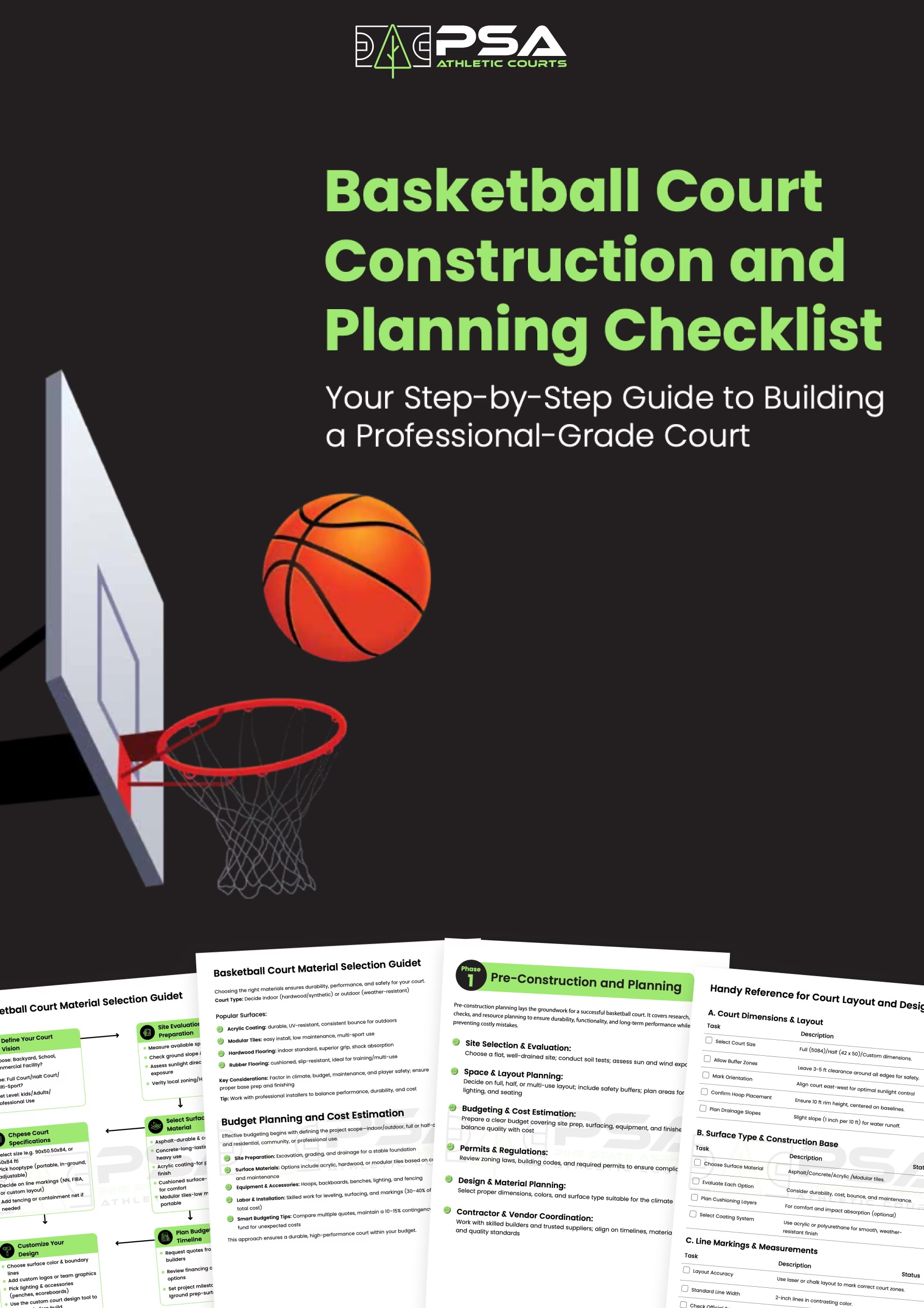
Download our FREE Basketball Court Construction & Planning Checklist and get the step-by-step roadmap to building a professional-grade court—from budget planning to final touches.
No guesswork, just results.