

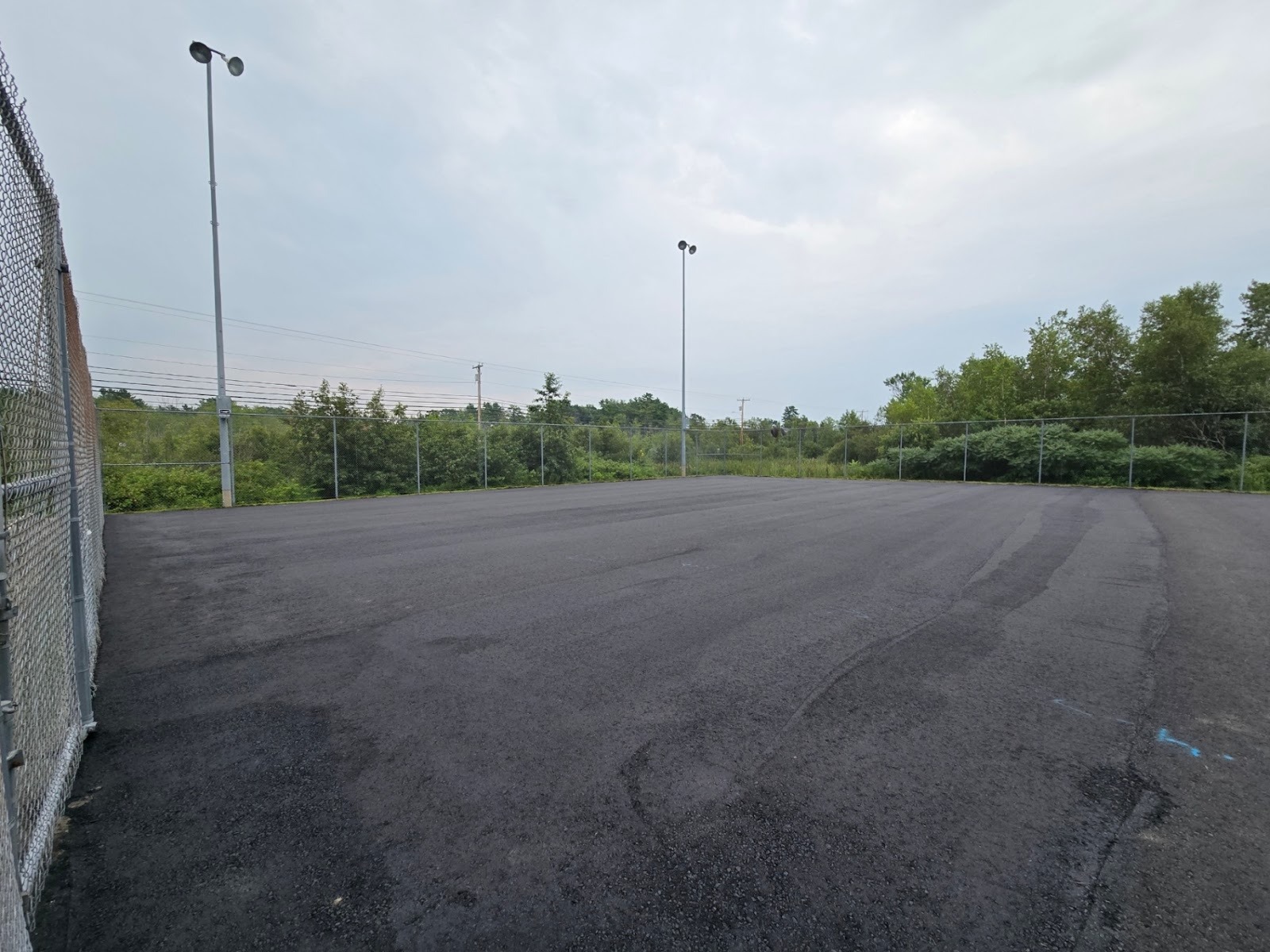
Let's be honest: when you're an athletic director staring down aging tennis courts with more cracks than a sidewalk after a New England winter, the first question isn't "Should we fix this?" It's "How on earth are we going to pay for it?"
Court construction and resurfacing projects aren't cheap. We're talking anywhere from $850,000 for resurfaced asphalt courts to upwards of $1.3 million for premium post-tensioned concrete surfaces. For most schools and athletic programs, that kind of investment requires creative thinking, multiple funding sources, and a solid game plan.
The good news? There are more funding options available in 2026 than ever before: from traditional grants to innovative partnerships that make projects financially feasible. Here's your playbook for making it happen.
Understanding the Real Cost of Court Construction
Before you start chasing funding, you need to know what you're actually up against. Court construction costs vary significantly based on materials, site conditions, and scope of work.
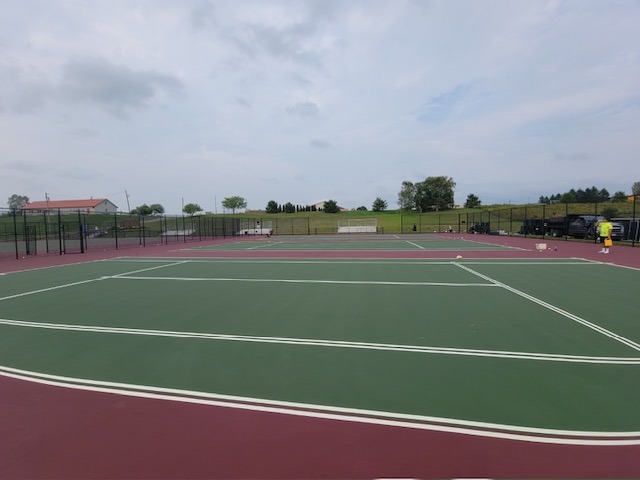
A basic asphalt resurfacing project might run around $850,000 total, while post-tensioned concrete courts: which offer superior durability and longevity: can cost $1.2 to $1.3 million or more. That's a significant difference, but it's worth considering the long-term value. Concrete courts typically outlast asphalt by decades, potentially reducing your lifetime maintenance costs.

Don't forget about the hidden costs either: site preparation, drainage improvements, fencing, lighting, and striping all add up. Getting a comprehensive quote from experienced court builders like Pine State Courts early in your planning process helps you set realistic funding targets.
Traditional Funding Sources That Still Work
USTA Grant Programs: The Heavy Hitter
The United States Tennis Association's Tennis Venue Services (TVS) grant program remains one of the most substantial funding sources available. In 2025 alone, USTA awarded $15 million across nearly 300 projects nationwide, with individual grants ranging from $100,000 to $200,000.
Here's what makes USTA grants attractive: they don't just hand you money and walk away. Grant recipients receive comprehensive project management support, including facility design guidance, construction document review, and business development assistance: resources that can save you thousands in consulting fees.
The catch? USTA grants come with specific requirements. Your project enters a technical review stage to ensure compliance with industry standards. More importantly, USTA funding typically restricts court striping to tennis-only use rather than multi-sport configurations like tennis and pickleball combo courts. If multi-sport flexibility is important to your program, you'll need to weigh this limitation carefully.
Regional USTA chapters also offer targeted funding opportunities. USTA Florida, for example, recently launched an initiative supporting Historically Black Colleges, awarding $100,000 to Bethune-Cookman University for on-campus tennis courts.
Municipal and State Capital Funds
Don't overlook your local government resources. Many athletic directors successfully tap into bonded money from capital improvement plans and state capital improvement funds.
In Hamden, Connecticut, the school system allocated $500,000 in bonded money from its fiscal year 2025 capital plan specifically for court reconstruction. These municipal funds often require less restrictive use requirements than specialized grants, giving you more flexibility in court design and multi-sport configurations.

Multi-Stakeholder Partnerships
The most successful large-scale projects often involve multiple funding partners sharing the investment. The UTSA athletics center provides a perfect example: Bexar County contributed $5 million, the City of San Antonio added another $5 million toward the $35 million project, with payments structured strategically (half upon agreement execution, half at 25% project completion).
Universities and community organizations can also contribute. Quinnipiac University donated $152,000 to support Hamden's court project: a partnership that benefits both the school system and creates community goodwill for the university.
Modern Funding Solutions: SNAP Mobile and Hearth Financing
While traditional grants and municipal funding remain valuable, two innovative funding solutions are changing the game for athletic directors in 2026.
SNAP Mobile: Fundraising Made Easy
Snap Mobile has revolutionized how schools and athletic programs raise money for facility improvements. This mobile-first fundraising platform lets you launch targeted campaigns that reach parents, alumni, and community supporters right on their phones.
What makes SNAP Mobile particularly effective for court construction projects? The platform provides transparency that donors love. You can share project renderings, construction updates, and milestone achievements in real-time, keeping supporters engaged throughout the process. The best part? SNAP Mobile's tools are designed specifically for athletic programs, so you're not trying to force-fit a generic fundraising platform to your needs.
Many athletic directors combine SNAP Mobile campaigns with traditional funding sources, using community fundraising to cover specific project elements like high-quality surfacing, LED lighting upgrades, or additional amenities like player benches and scoreboards.
Hearth Financing: Flexible Payment Options
Hearth financing offers schools and athletic programs flexible payment solutions that make court construction financially manageable without waiting years to accumulate full funding. Instead of delaying necessary improvements because you're $200,000 short of your target, Hearth's financing options let you move forward with projects on a timeline that works for your program.
The financing terms are designed with educational institutions in mind, offering competitive rates and payment structures that align with school budgets and fiscal years. This approach is particularly valuable when you're dealing with courts that pose safety concerns: sometimes waiting another year or two for full funding isn't a responsible option.
Combining Hearth financing with partial grant funding or fundraising campaigns creates a complete financial package that gets your project off the ground faster.
Strategic Planning for Maximum Funding Success
Start Early and Plan Thoroughly
Court construction projects that secure full funding share one common trait: early planning. Start your funding search at least 12-18 months before you need to break ground. This timeline gives you room to:
- Apply for multiple grant programs with different deadlines
- Launch comprehensive fundraising campaigns
- Negotiate with municipal and state funding sources
- Explore partnership opportunities with local businesses and organizations
Consider Construction Timing
Scheduling matters more than you might think. Northeast Dubois scheduled their courts for May-July 2026 completion specifically to avoid conflicts with the girls' tennis season while accounting for New England weather constraints.
Smart scheduling also impacts your funding strategy. If you're applying for fiscal year grants, knowing your construction timeline helps you align funding receipt with actual project needs. Nothing's worse than securing grant money with spending deadlines that don't match your construction schedule.
Material Choices and Long-Term Value
Your material selection significantly impacts both upfront costs and long-term value. While post-tensioned concrete costs roughly twice as much as resurfaced asphalt initially, the extended lifespan and reduced maintenance requirements often make it the more economical choice over 20-30 years.
When presenting funding requests to school boards, municipalities, or donors, frame your material choices in terms of total cost of ownership rather than just construction costs. Decision-makers appreciate seeing the complete financial picture.
Building Your Funding Package
The most successful athletic directors don't rely on a single funding source: they build comprehensive packages that combine multiple sources:
Example Funding Mix for a $1 Million Project:
- USTA Grant: $150,000
- Municipal Capital Fund: $300,000
- SNAP Mobile Fundraising: $200,000
- University/District Budget: $200,000
- Hearth Financing: $150,000
This diversified approach reduces pressure on any single funding source and demonstrates to each funder that you're maximizing all available resources.
Taking the Next Step
Court construction funding doesn't have to be an insurmountable challenge. With the right combination of traditional funding sources, modern fundraising tools like SNAP Mobile, and flexible financing through Hearth, your project can move from dream to reality.
Start by getting accurate cost estimates from experienced builders who understand both the technical requirements and regional cost factors. Pine State Courts has helped countless schools and athletic programs across New England navigate both the construction and funding aspects of court projects.
Remember: every successful court construction project started with an athletic director who asked the same question you're asking now. The difference between projects that happen and projects that remain on wish lists usually comes down to strategic planning and knowing which funding tools are available.
Your athletes deserve safe, high-quality courts. With the right funding strategy, you can deliver them.
DOWNLOAD OUR FREE GUIDE
Ready to build your dream court?
Download our FREE Basketball Court Construction & Planning Checklist and get the step-by-step roadmap to building a professional-grade court—from budget planning to final touches.
No guesswork, just results.