
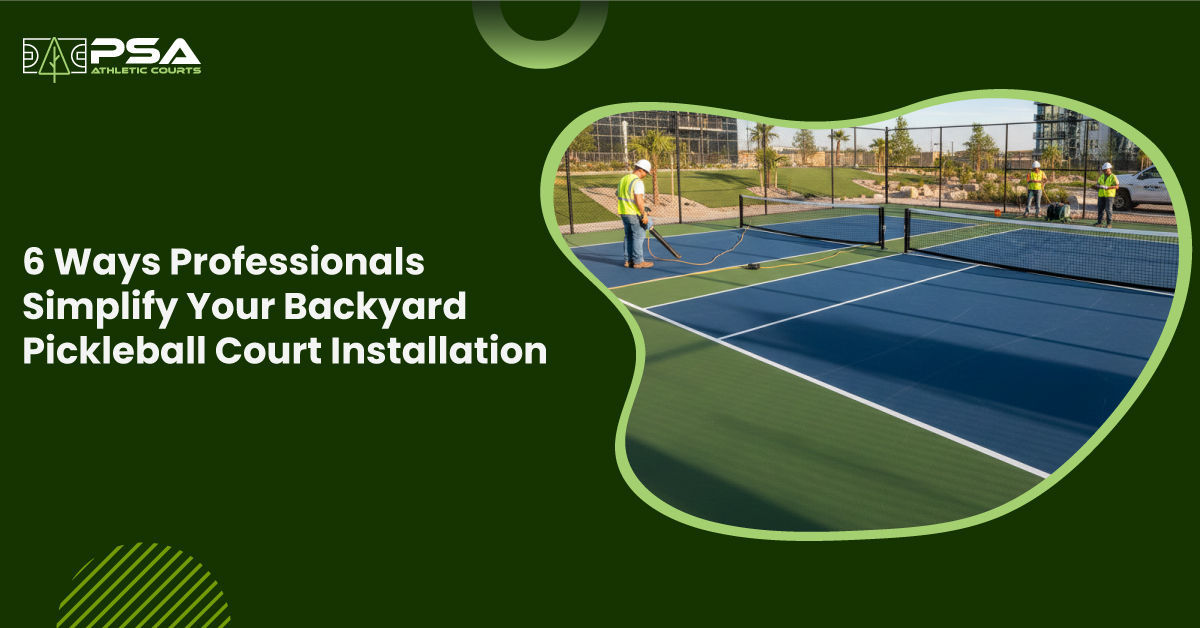
The rising popularity of pickleball has inspired many homeowners to turn their backyard space into a customized pickleball court. And while you can undertake this backyard project yourself, it is always wise to choose an experienced professional for backyard pickleball court installation.
If you too are in this bind-choosing between DIY and professional court construction, then this guide by Pine State Courts is your answer. In this blog, we will discuss the process of building a backyard pickleball courts and the six advantages of getting it built by a professional.
How to Build a Backyard Pickleball Court?
Before you start with your backyard project, it is wise to collect the necessary information regarding the court layout. Here’s our guide on the 5 must know facts about outdoor pickleball court dimensions and layout.
A thorough knowledge of site preparation, the different court surfacing materials, and their curing times is another pre-requisite for this project. Here’s a step-by-step guide to build your own big or small backyard pickleball court:
Step 1: Site Preparation and Planning
The very first step to build any backyard pickleball court involves preparing the court site and planning the size and process of building the court based on the state of the site. This step involves the following processes:
- Checking out the local regulations before starting the backyard project.
- Orienting the court in North-to-South direction to prevent Sun glare during plays.
- Deciding on the size of the pickleball court (Standard- 20’*44’ vs. 30’*60’ recommended for safe plays).
- Making sure the surface is levelled, clear of vegetation, and has a slope of .5% - 1% for proper drainage of water.
Step 2: Laying the Pickleball Court’s Foundation
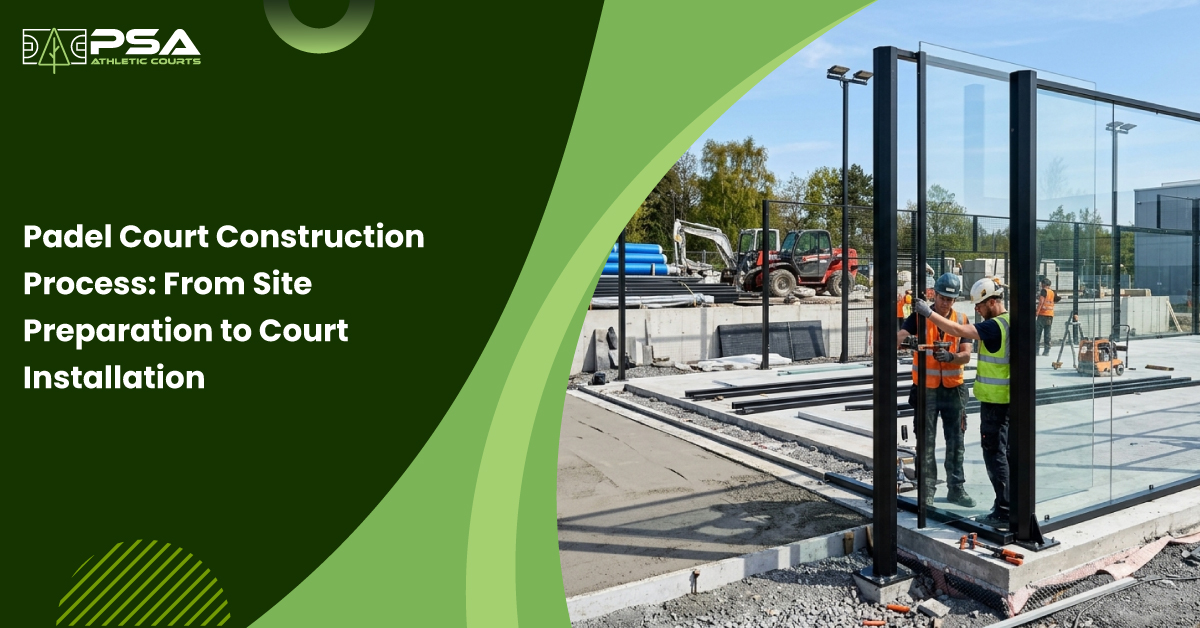
The next step is to lay the foundation of the court. It is a very important step as this foundation will determine how well the court is built and how long it will last. This step involves the following processes:
- Pouring out a concrete slab or using asphalt for laying the court’s foundation.
- Compacting and levelling the court surface by using professional-grade equipment.
- Allowing the foundation appropriate time to cure for maximum durability.
Step 3: Surfacing the Pickleball Court in Backyard
Next comes, surfacing the pickleball court being built in your backyard. Not just the surfacing material but choice of a top coat is also an important one as it ensures the court is protected against the external elements. The process involved in this step are:
- Cleaning the surface and filling in any cracks on it.
- Applying the resurfacer and the base coat.
- Topping off the court’s painted surface with a UV- and weather-resistant protective coat using a flexible acrylic system helps the surface last longer and stay looking sharp.
Step 4: Adding the Finishing Touches
Finally comes the time to make the finishing touches. It improves the overall aesthetic of the court. While the fencing ensures safety of players and spectators, adding lighting ensures the you can use the court at all times. Here’s what this step involves:
- Adding the nets and any fencing you require.
- Using lighting to extend the playtime well into the evening.
- Ensuring the court is regularly maintained and doing the necessary pickleball court resurfacing from time to time.
6 Advantages of Working with Professionals for Backyard Pickleball Court
Undertaking this project to build a pickleball court in the backyard by yourself can help you save up on the labour cost but it isn’t cost-effective in the long run if you don’t have the necessary knowledge and skills for it.
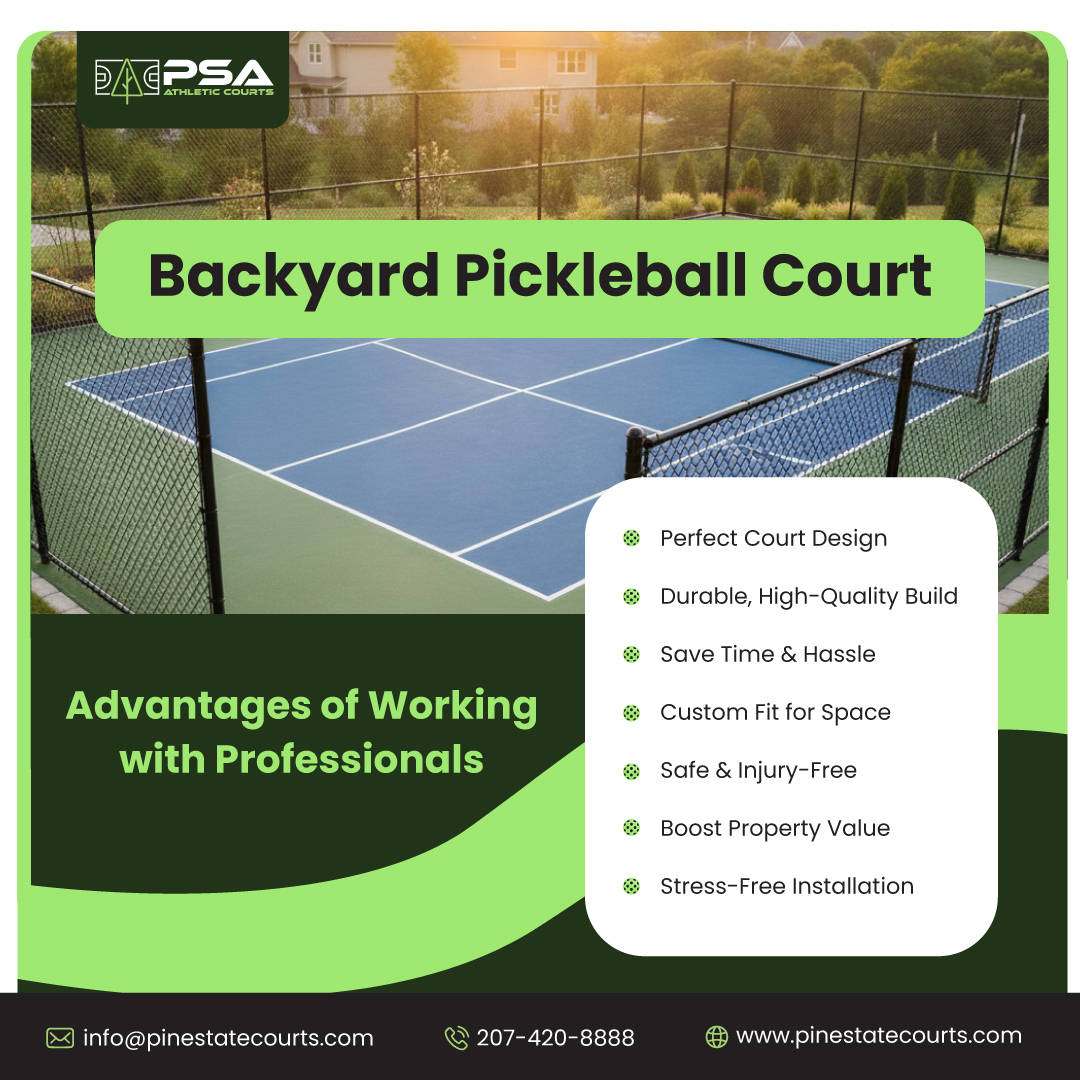
This is why it is important to work with a professional pickleball court builder like Pine State Courts to get a perfect court the first time no matter how big or small the backyard pickleball court is. Here is a list of the six advantages that working with a professional pickleball court designer presents:
1. Expert Site Evaluation and Planning
An expert outdoor pickleball court builder is well versed with the site requirements and has the necessary expertise to tackle rough terrains. He can make sure the site is well prepared and has a strong foundation to build the court upon. With a thorough inspection of the site he can plan the court layout to suit your needs.
2. Custom Design for Every Space
Getting an expert on board helps you make the best use of your backyard space. He can work to build both a professional-grade court, a custom playing field, and even a multi-athletic court to suit your family’s diverse taste.
3. Quality Materials and Construction Standards
The court materials you choose to build with, decide the fate of your pickleball court. From Asphalt to Concrete or the newly rising Polyurethane and Vinyl surfaces, the pickleball court builder helps you choose the best materials. They also make sure the court construction is of the top standard and the court has a long lifespan.
Pickleball court designer experts at Pine State Courts are ready to bring your vision to life contact us today to get started!
4. Precision Installation and Accurate Court Marking
Building a professional pickleball court requires precise surface installation with the perfect ball bounce, good grip, and an even surface that’s safe for the players. Moreover, he also ensures that the court has accurate line marking so there is no confusion as to where the different areas like the non-volley zone or service area are.
5. Compliance with Official Pickleball Standards
The professional pickleball court builder ensures that the court is built in compliance with the official pickleball standards. This helps you train your players well so they aren’t left perplexed when they step on an unfamiliar court.
6. Hassle-Free Maintenance and Aftercare
The job of a professional doesn’t end after court construction but they also extend ongoing support. This can come in handy when you face any maintenance or repair issues later on. They help maintain the court in its best shape and make sure the court is resurfaced when required.
Conclusion
Your backyard project for pickleball court construction is a fruitful venture that will present you with a professional playing field and a space for your family and friends to bond too. Getting a professional to do this job will help you get it right the first time and ensure your court stays in its prime for years.
We, at Pine State Courts, offer solutions to build, maintain, repair, and resurface all indoor and outdoor courts, be it basketball, pickleball, tennis, or mult-athletic courts. With us, you get professional courts that stand the test of time and boost your property value.
Frequently Asked Questions
1. How much does it cost to put a pickleball court in your backyard?
The cost to put a pickleball court in your backyard comes out to be in the range of $20,000 to $50,000. The actual cost is dependent on factors like the size of the court, its location, the extent of site preparation required, and the quality of materials and equipment you choose to build with.
2. How much space is needed for a backyard pickleball court?
The standard size of a pickleball court is 20’*44’ however for better playability and safety it is recommended to build in a space that’s 30’*60’.
3. Does a pickleball court increase home value?
Yes, a pickleball court will surely increase your home value by appealing to buyers with kids in the family or to professional players. It will also work as a luxury asset that offers recreational and competitive game opportunities to the owners who love to host people.
4. What surface is best for a backyard pickleball court?
The surface that is best for a backyard pickleball court is a concrete or asphalt base topped with acrylic surfacing for better durability, attractive color, and good grip. Modular tiles can also be a suitable option for their easy installation and maintenance. Meanwhile, clay or artificial grass do offer softer and slower play but are preferred less as they require more frequent upkeep.
5. Can a pickleball court fit in a small backyard?
Yes, a pickleball court can fit in a small backyard. You will however have to compromise on its size and build a smaller, “skinny singles”court. You can also paint pickleball lines on an existing driveway for casual plays.
DOWNLOAD OUR FREE GUIDE
Ready to build your dream court?
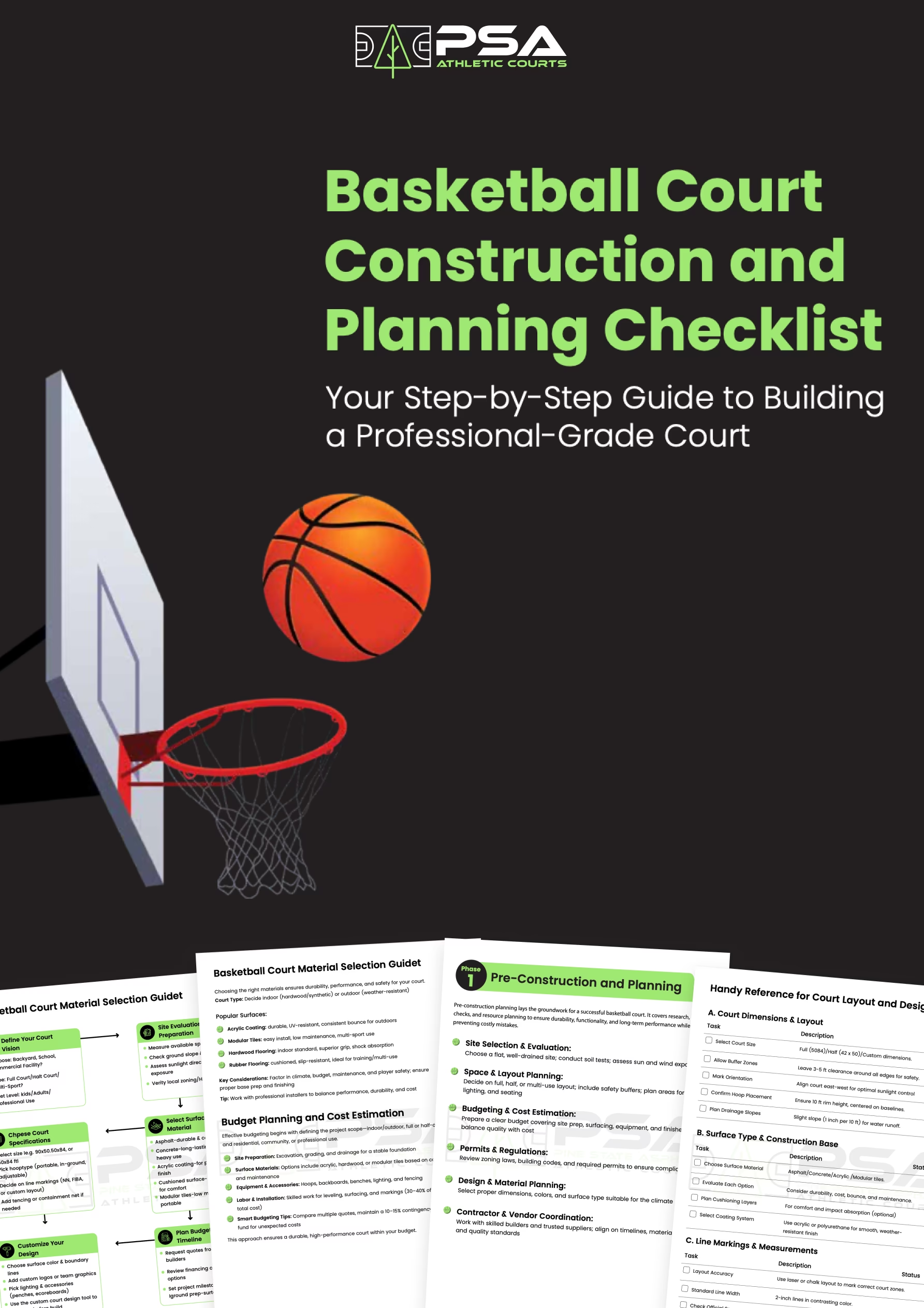
Download our FREE Basketball Court Construction & Planning Checklist and get the step-by-step roadmap to building a professional-grade court—from budget planning to final touches.
No guesswork, just results.